Costs
Part of Creator merch: model, rights, drops and support decisions
Four pressures shaping creator merchandise and what each one changes
Four pressures on creator merchandise in 2027: production with Printful, Printify and Gelato, cross-border delivery rules, buyer expectations, and platform shops with consumer rules.
Merchandise is being pushed from four directions at once: by how things get made, by how they get delivered, by what buyers now expect, and by what platforms and regulators require. Each pressure changes a decision you will make, and this page takes them in that order.
What to take away
- On-demand production from providers such as Printful, Printify and Gelato is closing the quality gap with bulk runs. It changes the cash-risk trade rather than removing it.
- Duty rules for cross-border parcels changed sharply. The US suspended its de minimis exemption for low-value imports from August 2025, so check the rules for each country you ship to.
- Buyers expect tracking, real measurements and a reason for each item to exist. Generic merch and late, silent parcels are common sources of refunds.
- Platform shops such as TikTok Shop and YouTube Shopping hold the customer relationship, so keep your own store as the place the data lives.
Production: on-demand is good enough to start
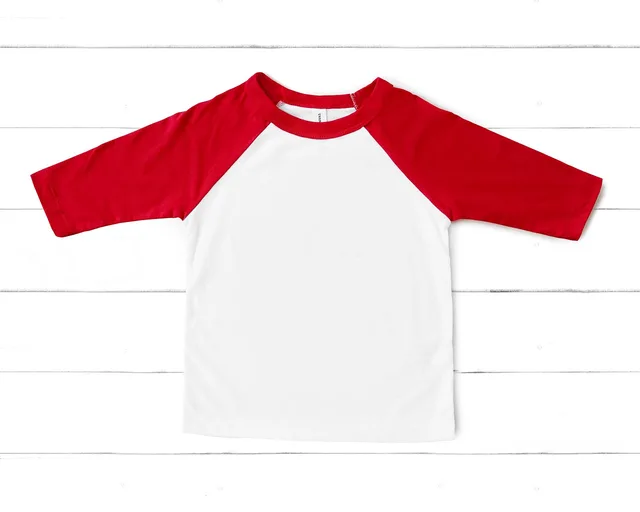
The gap between print-on-demand and a proper run is narrowing. Better blanks, more print methods and more production sites mean a one-off can now be a garment someone keeps. That does not erase the trade between cash at risk and unit cost. It shifts where the trade sits, which the merchandise guide sets out.
Print-on-demand vs proper run
Print-on-demand
- Cash at risk
- Low
- Unit economics
- Weaker
- Minimum quantity
- One
- Production site
- More options
- Default choice
- Yes
Proper run
- Cash at risk
- High
- Unit economics
- Stronger
- Minimum quantity
- Falling
- Production site
- More options
- Default choice
- For real runs
Small runs, short pre-order windows and made-to-order drops are now good enough to be the default. Taking money before you can ship still moves risk onto the buyer. The Federal Trade Commission's Mail, Internet, or Telephone Order Merchandise Rule requires you to ship within the date you state, or within 30 days if you state no date, and to notify buyers when a date slips.
Print-on-demand suppliers differ on unit cost, sample policy and production location. Order a sample from each candidate, and check the production location against your buyers, because a parcel that ships from the buyer's region avoids most border costs.
What it changes: start with a pre-order window and produce to demand. A first drop no longer has to be a guess.
Delivery: borders and duties
Cross-border parcels have become slower and less predictable. Duties, import taxes and handling charges are collected more consistently, and the thresholds that once let small parcels in duty-free have changed. The US suspended its de minimis exemption for low-value imports from August 2025, and the EU has been tightening its low-value import rules as well.
Responsibility for collecting tax on cross-border sales is moving toward marketplaces and platforms in several countries. Which rules apply to you depends on where you and your buyers are, so check each government's current guidance and ask your accountant.
What it changes: make things near the buyer where you can, using a print provider with production in that region. Where you cannot, show the full cost including duties at checkout, or do not ship to that country.
The buyer: three expectations
What buyers now expect
- Tracking link before dispatch
- Realistic delivery estimate before paying
- Straight answer when something goes wrong
- Real measurements, not generic size chart
- Fit description and wash-surviving garment
- Item tied to a moment or idea
- Answer on waste and unsold stock
Tracking and honesty. A buyer expects a tracking link, a realistic delivery estimate before paying, and a straight answer when something goes wrong. A parcel that is late and silent is a common source of complaints and refund requests.
Fit and quality. A generic size chart is not enough. Buyers want real measurements, a description of the fit and a garment that survives washing. Returns for sizing are the cost of vague product pages.
Something that means something. A plain logo on a blank has less pull than an item that carries an idea from the work, a joke only the audience gets, or a piece tied to a moment such as a season or a collaboration. Members-only items can work as a membership benefit for the same reason.
What it changes: fewer products, better blanks, real measurements, and a reason for each item to exist.
For apparel and children's items, labeling is a legal requirement, not a preference. Care labels follow the FTC's Care Labeling Rule and fiber content follows the Textile Fiber Products Identification Act. Children's products must also meet the Consumer Product Safety Improvement Act, so check each item before it lists for a child's size.
Platforms and rules
Platforms want the shop inside their walls: native storefronts, checkout without leaving the app, and products tagged in videos on TikTok Shop, YouTube Shopping and Instagram Shopping. It converts well because the buyer never leaves.
The platform then holds the customer, the order data and the terms. That is the same trade as every other platform income line. Sell there if it works, and keep your own store as the place the data lives.
Consumer rules on returns, labeling, product safety and what a listing must state vary by country and are applied to small sellers as well. Find the rules for the places you sell and ship, and keep a record of the check.
Collaborations are also becoming a normal part of merch: a co-branded item with a sponsor, or a shared drop with another creator. Who owns the artwork afterwards is a rights question, and it needs to be written down in the same way as any brand arrangement. Settle who owns the artwork, who handles the customer, how the money splits and what happens to the product when the relationship ends.
What it changes: treat every platform shop as a channel, not as the store, and treat every collaboration as a deal with paper behind it.
Reading all four together
The direction is the same from each side. Make less, make it better, make it closer to the buyer, and know exactly what you owe and to whom. Merch that is treated as a marketing line rather than a business tends to fail on delivery, returns or tax, and the four pressures above make those failures more expensive.