Guides
Part of Creator merch: model, rights, drops and support decisions
Reading the merchandise examples closely
Merchandise examples, twelve invented cases covering rights, sizing, printed claims, drops and the storefront nobody closed, with what each one teaches.
Reading the merchandise examples closely
Treat each invented case as a fork, not a product verdict. Start with the condition that fits, decide what it changes, and stop before commitment if that check fails. None names a brand, shop, product, or figure; several outcomes are intentionally poor, so the useful signal is where the decision went wrong.
If the audience already solves a problem itself
If people have improvised a workaround or already use an item in audience activity, then begin with that use and test one item. One invented case follows a useful thing shared through audience activity, making existing behavior stronger evidence than casual comments that something sounds appealing.

Start narrowly: one item needs one supplier conversation, one photograph, one support answer, and one inventory decision. A catalog with twelve variants creates twelve versions of each task, and the cost stack can grow faster than revenue as options multiply. More choices do not by themselves show more demand.
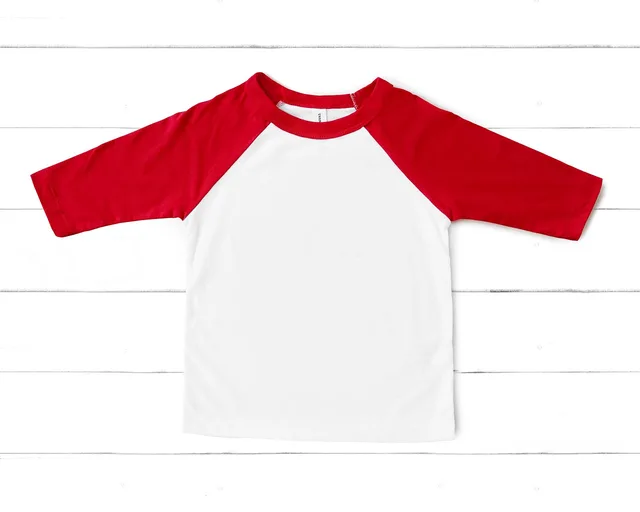
One shirt case uses a joke from a long-running series and sells enthusiastically to viewers who followed it. The joke is the product, so its market is people who understand it. That can work if the group is sized realistically, but trouble follows when an order assumes a larger audience.
A first item should be good before it is made cheaper. A poor first item can be remembered longer than a high price; its real cost is trust, which supports the career you are building. That is why quality comes before a cheaper version in this case.
Rule of thumb: choose a use people already demonstrate, keep the first offer to one item, and make it well before chasing lower prices; a poor first experience can cost more trust than a high price, particularly when the audience already understands the reference and wants it to work.
If the artwork or its name remains uncleared
Then pause the run and treat image rights and name clearance as separate gates. One invented shipment used a typeface licensed for personal use only, while another creator printed a word already registered as a mark in the goods category; clearing the illustration did not clear the word.
Review every font, image, pattern, and collaborator-supplied component for copyright permission for this use before production. Permission that applied once does not prove a new use is covered, and an apparently original design may still contain material needing review. Treat artwork and a trademark basics page as separate checks.
Search the relevant goods category before making goods; a product name needs its own clearance. In the framework for a merchandise run, this is one of six decisions, and the check belongs twenty minutes before production rather than after it. Rights for an image and a word stay separate.
Rule of thumb: hold production until each asset has permission for the intended use and the product name has been checked in its selling category; artwork that appears original does not prove rights are settled, nor that permission from an earlier use still applies.
If the product use brings extra requirements
Then check dimensions, use, and destination before choosing a supplier or commissioning the item. Size, batteries, children's products, food contact, or international movement can bring safety or labeling duties beyond decoration, and exact requirements vary by country; the print method does not settle them.
Ask for sizing information specific to the intended audience instead of copying a supplier's default size curve. One invented apparel run used a general curve; the right sizes can separate a sold-out order from a box of unsold larges. Audience-specific information is more useful than a supplier answer based on the general population.
Children's items, products with batteries, and goods touching food may bring category-specific safety or labeling duties. Identify the regulator for the product category in the country of sale before commissioning anything; choosing a printing method does not settle the duties, and exact requirements differ by country.
When products cross a border, customs paperwork belongs in the plan. Consult import and export basics from the customs authority, and ask the relevant product regulator, not the print supplier, which obligations apply in the destination country. Make these checks before commissioning so the production conversation does not stand in for regulatory advice.
Rule of thumb: ask the audience about sizing, identify the relevant regulator for the product and destination, and settle customs paperwork before commissioning; a print supplier's default assumptions do not replace checks tied to size, use, or country of sale.
If a quick storefront makes breadth look like demand
A print-on-demand storefront can place one design on thirty products in an afternoon. That effortless breadth can look careless, and a wall of choices may hide the item people wanted. This common pattern is cheapest to start, yet least likely to make something anybody wants.
Print on demand lowers inventory risk compared with a bulk run, while unit cost is higher and quality often is worse. It shifts which risk you hold, not whether rights or package claims have been checked, so treat the production method as one decision rather than a cure.
Rule of thumb: validate one desired item before letting a print-on-demand menu expand, then compare its inventory exposure with the higher unit cost and often weaker quality; changing how goods are made does not remove rights or claim checks.
If the package promises where an item was made
Treat every package statement as a factual promise that needs support. In one invented case, a package called an item locally made although only its final printing happened locally. The origin claim is advertising, not decoration, so use wording only if the facts support the particular statement.
The FTC standard for Made in USA claims is exacting. Use that wording only when production facts support the particular claim: final printing alone did not support the phrase in the invented case. Match the origin language to what actually happened, rather than adding an unsupported statement to the package.
Rule of thumb: use origin wording only when production facts support that exact promise; printing locally alone did not establish that an item was locally made in the invented case, and an attractive package cannot make unsupported wording true for every buyer who reads it.
If buyers pay before the item is ready
Then state terms before announcing a limited release or collecting payment before manufacture. One invented drop sold out within an hour of one announcement, leaving a queue of disappointed people; scarcity worked, but goodwill for the next release depended on how those buyers were treated.
Say in advance whether the drop will return, then honor that statement. In another invented case, a pre-order collected payment before manufacturing, hit a supplier delay, and required three months of updates. Early payment shifts more risk to the buyer, so explain timing plainly and publish a date you believe.
Contact customers before they have to ask if delivery slips. The FTC mail order delivery rule sets expectations for shipping times and what a seller owes when shipment is delayed. A supplier change does not erase the promise made to buyers, so communicate promptly when the schedule changes.
Rule of thumb: publish the return policy and a delivery date you believe before payment, then contact buyers as soon as a delay appears; a supplier change does not cancel a promise, and early payment places more risk on the buyer, so updates matter.
If the item is a thank-you for members
Then measure its purpose as a retention cost, not as a separate product sale. One small printed item went to members, was never sold on its own, and was included in membership cost; renewals, not product margin, were the relevant result because the item existed to support retention.
Compare this choice with membership examples and the membership framework, keeping the retention purpose and the cost inside membership in view. A thank-you item can have a job beyond revenue, but its expense still belongs in the membership decision rather than being treated as standalone product margin.
Rule of thumb: when merchandise is a member thank-you included in membership cost and never sold alone, assess whether it supports renewals rather than demanding standalone product margin; a retention item can have a job other than direct revenue for the creator.
If promotion stops but the storefront stays open
Then decide deliberately whether to close it: one shop stayed open for two years after promotion stopped, still receiving support emails and occasional orders. An unattended store continues to create obligations, so ending a line is legitimate, but buyers should receive a note rather than leaving neglect to decide.
Whether a line earned enough is settled by your records, not an external benchmark. The income benchmarks guide explains why published numbers cannot settle an individual choice; income metrics help review your own activity, while a career-path framework places that commitment beside other creator choices.
Rule of thumb: close a dormant line deliberately and tell buyers, then use your own records to decide whether its remaining work and results justify keeping it open; an outside figure cannot make that choice for your shop.
If the artwork looks fine but the run still failed
Then classify the broken decision before changing the art. Across the invented cases, rights checks arrive too late in four and five; physical details are missed in six and seven; and claims exceed support in eight and ten. The table groups the remaining patterns as well.
| Recurring cause | Cases |
|---|---|
| Rights checked too late | Four, five |
| Physical reality ignored | Six, seven |
| A claim that outran the facts | Eight, ten |
| The item had no job beyond revenue | Two, three, twelve |
| Constraint paid off | One, nine, eleven |
Cases two, three, and twelve lack a job beyond revenue; constraint pays off in one, nine, and eleven. Almost none of the failures is really a design problem: scope, rights, or promises chosen before printing account for more. Use the diagnosis to locate the decision before redrawing.
Rule of thumb: identify the decision that failed before altering the design; if rights came late, a physical detail was missed, a promise exceeded support, or the item lacked another purpose, repair that constraint first rather than assuming new artwork will solve it in the next run.